
Tags
Poor Balaam. He couldn’t get a break. A prophet-for-hire, he was hired by King Balak to curse the Children of Israel, who had become an alarmingly potent force while they wandered in the desert. Balak figured if he could have someone curse them, it would give him an advantage if war was to ensue.
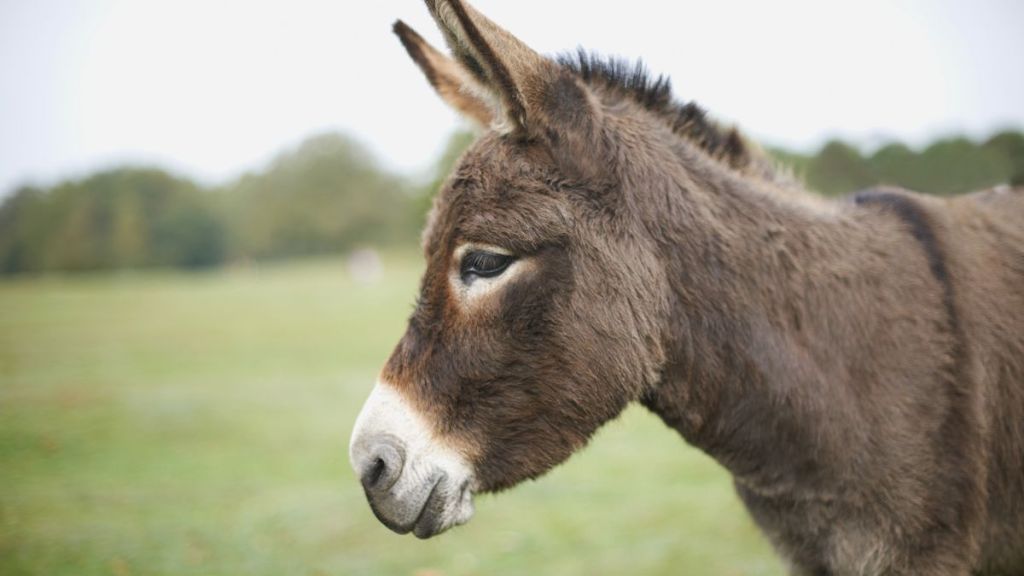
But God had other plans. Balaam checked with God, who at first gave the okay to go with Balak, but as soon as Balaam set out, God tested him by putting a fearsome angel bearing a sword in his path. His donkey could see it, but Balaam could not. Three times, the angel blocked the way. Twice, Balaam’s ass tried to avoid the angel, but the third time she simply lay down under her master.
Balaam lost it. Without thinking, he beat the ass and when she miraculously spoke to him, he responded by threatening to kill her. The violence only ended when the angel revealed himself to the clueless prophet.
Rabbi Jonathan Sacks points out that Balaam was the ass: “If you think you can control God, then, says God, I will show you that I can turn a donkey into a prophet and a prophet into a donkey.”
His failure in the first place? Setting out on a journey to curse rather than bless.
The propensity to be negative is not so difficult for us to understand. We do it all the time, even if we keep our words to ourselves and eschew action, violent or otherwise. Sadly, our most common target is ourselves. Too often I’ve said to myself, “Jennifer, you are so stupid!” when I wouldn’t say the same to a friend for the same offense.
We’re hard on ourselves. We’re hard on our loved ones. We forget to be kind, to bless rather than curse.
In the end, Balaam blessed the people three times. We say his words at the beginning of services or when we enter a synagogue: Ma tovu ohalecha Yaakav, mishkinotecha Yisrael. How beautiful are your tents oh Jacob, your dwelling places Israel.
Yet the truth about Balaam is that he didn’t change anything. The Children of Israel in the desert didn’t even know he was standing on a mountain above them, were completely unaware whether he blessed or cursed them.
Words only matter when they’re heard, when they have an effect on someone. And that’s why Balaam’s story matters, why it’s in the Torah at all. True, he didn’t have an immediate effect on the Jewish people. Instead, his story has had the delayed effect of speaking to us, to each generation.
A key message of his story is that it is not enough to bless ourselves and those around us. That’s a good start, but it doesn’t change the world. And that’s what Judaism asks. It asks us to be a light unto the nations, to leave the world a better place than we found it, to do tikkun olam, to repair the world. To make a difference.
Difficult though it may seem, we are meant to reach beyond ourselves, beyond our constrained lives and make the world a better place. By both speaking words of blessing and performing acts of kindness, our task is nothing less than to change the world.
 SRQ Jew
Amen
Sent from my iPhone
<
div dir=”ltr”>
<
blockquote type=”cite”>
LikeLike