
My mother often used the expression, “God willing and the creek don’t rise.”
It was simple and effective. It acknowledged both the Divine and the natural world. It fit perfectly with my theology; praying to God is meaningful, but you can’t expect God to perform miracles. God may have behaved that way in biblical times, but no more.
And then one day someone scolded me for using the expression. He said, “I can’t believe you’d say something so racist.”
I was shocked. What was racist about such an innocent saying? He was happy to elaborate. “It means Creek Indians, not a physical creek,” he said, in a tone that indicated he wanted to add, “you idiot.”
It turns out that the phrase was once used by Col. Benjamin Hawkins, a member of the Continental Congress who was in charge of Indian Affairs in the late 1700s. He was summoned to the nation’s capital and wrote that he would come, “…if God is willing and the Creek don’t rise.”
I dug a little further and learned that the phrase predated him, and it’s probable that his capitalization of the word creek is what triggered the cry of racism. But people capitalized random nouns all the time back then. And I discovered that all of Col. Hawkins’ letters have been collected and digitized and the aforementioned letter doesn’t exist.
In moments like this, truth doesn’t matter. What matters is what people believe. And how they express that belief.
I wish the person had been kinder to me, had corrected me by saying that he thought the expression might once have referred to an indigenous tribe and could be considered racist. The moment might not have stung so much. Because my truth is that I felt attacked and belittled, and I was hurt.
Words can do that.
At the Yom Kippur break-the-fast meal last night, a woman told me that she’d been hurt by another person’s words last week. After a 25-hour fast day and long hours of synagogue services about forgiveness, she was still stinging from something that had happened days earlier.
We carry these wounds with us, refusing to let them heal. They can cripple us, damage good relationships, push families apart. And yet we persist in holding them close.
Do you remember the childhood chant, “sticks and stones will break my bones but words can never hurt me”? It was an incantation we used to ward off the serious harm that words could — and did — cause.
I am as helpless as the woman who shared her grief with me. I too carry hurts that, intentional or not, still cause me pain. I remind myself that I am carrying a burden that is best left behind; only then can it cease to hurt me.
I learned that the person on the other end of the exchange also is in pain. All I could suggest is that they have a meal together so they could be reminded of the things that they like about each other.
Much as I try to watch my words, sometimes I get careless. Or say something that is misinterpreted. Or let my own frustration (tiredness, hunger, anxiety, insert-correct-word-here) take over. Sometimes I don’t get a chance to apologize. Sometimes I’m not ready to apologize. Sometimes I apologize and it’s not enough.
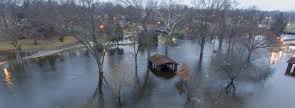
Today is the day after Yom Kippur, the Jewish Day of Atonement. We Jews look at it as a fresh start, an opportunity to leave the past year behind, hurts and all. God willing and the pond behind my house don’t rise, it will be a good year.
 SRQ Jew
Hi again, I meant to also write – I hope you are feeling much better now.
Nancy ngoody@icloud.com
>
LikeLiked by 1 person
Thank you! I am. Finally!
LikeLike
Todah. I so enjoy your posts. I have been reading your post for over a year now. La’shanah Tovah!
Nancy Goody
Albany, NY
<
div dir=”ltr”>
<
blockquote type=”cite”>
LikeLike
L’shana tova to you! Thanks for writing. I hope this year is one of joy.
LikeLike