
The world can be a hard and scary place, with ideas and events swirling around us which we cannot control and often cannot comprehend. I find myself shaking my head and wondering what is wrong with us humans. Why are we unkind, unforgiving, unflinching in our certainty that everyone else is wrong?
I am in many ways a timid person, unwilling to challenge bullies and haters. I shrink away from conflict, and choose to retreat rather than engage.
As a congregational rabbi, I understand that the people I serve have their own beliefs and prejudices. I don’t want to confront them with my political beliefs. When asked about my political preferences I like to say, “I don’t care who you vote for. I care that you vote and participate in the process.”
But there are many issues in our society that I care about deeply, and which have prompted me to speak out. Perhaps most significant is that I care passionately about doing everything possible to restrict guns sales, ammunition sales, and gun ownership.
(Occasionally someone reminds me that it seems odd for someone who has never personally been affected by gun violence to be so passionate about the issue. My response? Every person who has ever heard about a child or teacher being shot at school should feel exactly as I do.)
Because I care, I lend my voice to, and give time and money to organizations that align with my beliefs and are doing the important work to repair our nation.
And I believe that the Torah, flawed though it may be, remains a timeless guide to building a just society.
This week’s Torah portion begins with the word “see.” It challenges us to use our senses to see what is important, and to take action. It tells us to understand that there will always be poor people in every society, and teaches us to do more than remember them. We must also help them.
For me, the most important verse is the very last one: “You shall not stand before God empty handed; every person shall give as you are able, according to the blessings that God has given you.” (Deuteronomy 16).
We bring ourselves, our whole selves, to the world. We give what we can, using our native talents, skills we’ve developed, and whatever wealth and resources we can bring to bear.
The Torah understands that each of us is unique. We bring different gifts, different strengths and abilities. But regardless of our differences, our shared humanity requires that every person must participate in the impossible task of making the world a better place.
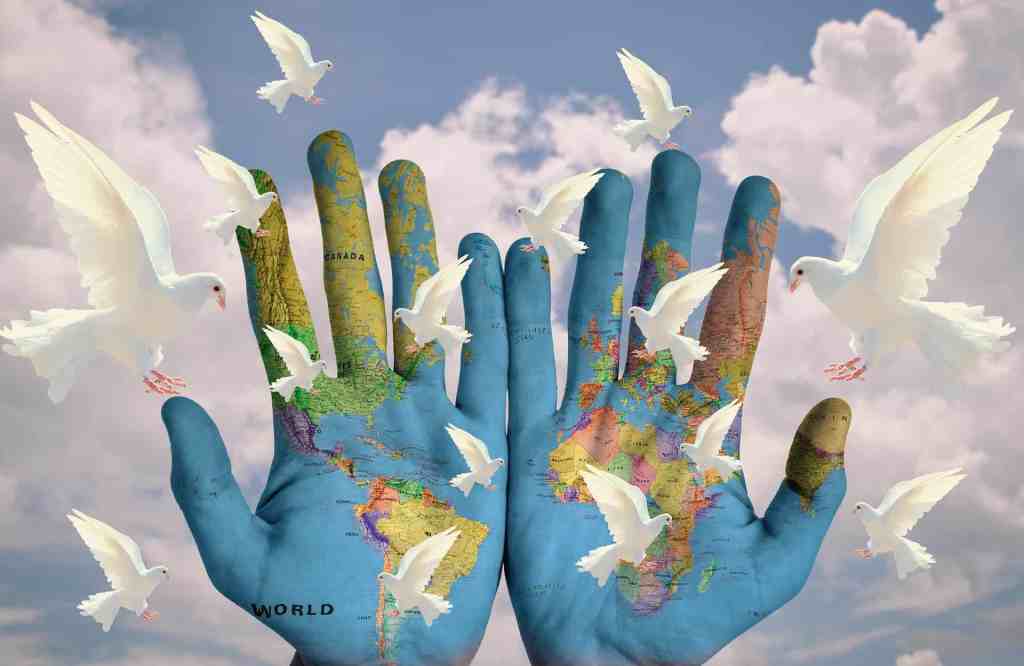
The Torah challenges us to see and to respond. It reminds us that no one is too small or too helpless to help another. We are, each one of us, God’s hands in this world.
 SRQ Jew
Lovely! Shabb
LikeLike