
Tags
antisemitism, Gaza, Hamas, hostages, Israel, Judaism, Rabbi David Hartman, Talmud, Technion
Since October 7th, I have often seen a simple, three word message, usually written by someone who isn’t Jewish. It says: “God bless Israel.”
The sentiment is lovely. But as religious as I am, and as much as I support Israel, it leaves me cold. Judaism does not place a strong emphasis on asking for help from God; at least not from God alone.
We are taught that merely relying on God is insufficient, and we are expected to be active participants in our own survival. The partnership between the Divine and humans is quintessentially Jewish.
We Jews have learned, time and again, that although we may have allies, ultimately we are responsible for our own survival. Self-reliance and community are our strengths. It is a hard lesson and I wish it was not so.
The world’s response to the horrors of October 7th has been cold, and the lack of human concern for the Jewish people has cut us to the core. I will admit that last spring, when college campuses were on fire with pro-Palestinian and anti-Israel rhetoric, I was sickened. I could not believe the callous attitude towards Israel and Jews.
But that was naivete. I should not have been surprised. Antisemitism has been on the rise for years, here in America and around the world. There are fewer Jewish professors, fewer Jewish college administrators, fewer Jewish corporate leaders than 20 or so years ago. We are slowly but surely being closed out of positions of power.
If we are to survive, and I believe we will, we will do so because we are an ancient people who have persisted through the millennia because of our determination to pursue our mission of repairing the world, for ourselves and for all of humanity.
Before becoming a rabbi I worked for the American Technion Society, which supports Technion University in Haifa. Technion is fond of calling itself the MIT of Israel.
Early in my career there I met a professor who said that it was impossible to shoot down the SCUD missiles that Hamas was shooting at Israel because they neither flew high enough nor long enough to be targeted.
Several years later I was visiting the campus and they showed us Iron Dome and introduced us to its designers. It was created specifically to target those “impossible to target” missiles. During that visit I ran into the same professor, and quoted him to himself. He smiled and said, “something is only impossible until we make it possible.”
In the Talmud, Rabbi Tarfon said, “you are not obligated to complete the work, nor are you free to desist from it.” Rabbi David Hartman, who teaches in Israel, says it is a humbling and comforting reminder that there always will be work to be done in this world, and the work will continue long after we leave this earth.
We have learned to take the long view. And we have learned that we are entirely responsible for ourselves.
I know that there are many opinions about the escalation of violence in the Middle East. I don’t know what is the right answer; if the Israeli government is making a terrible mistake or being proactive and daring in protecting the tiny nation. I know that I am afraid – afraid for all of us, if this war escalates much further.
The Jewish people are remarkable. It is astounding that we exist at all, after the past two millennia of others trying to destroy us, most of whom have disappeared into the annals of history.
I hope and pray that with God’s help and our indomitable spirit we can handle the current impossible situation.
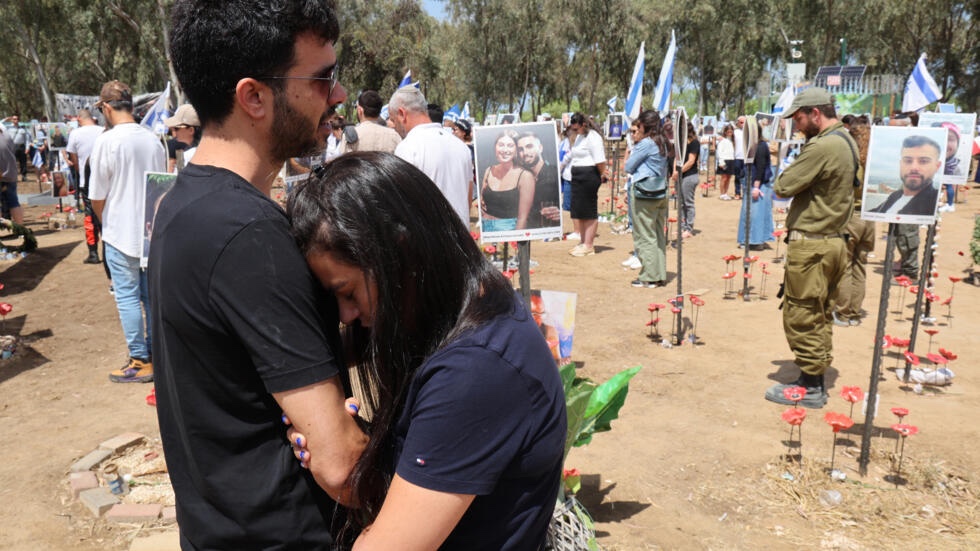
This is the sermon I delivered on Shabbat Shuva, which we dedicated to remembering October 7.
 SRQ Jew
Yay!
LikeLike
Jennifer, I share your fear and trepidation. I pray that Israel has not taken things too far. It would be nice to be sure that we have the protection of Hashem. Fondest wishes for a healthy and fulfilling New Year. Mel
LikeLike