
Tags
Aaron, God, high priest, Judaism, Moses
This week’s Torah portion is the one that always generates comments on the saying, “Do the clothes make the man?”
It tells the story of the elaborate costume (there’s no other word for it) that Moses made for his brother Aaron, at God’s command. Moses bathed his brother, dressed him, and prepared him to be ordained as High Priest.
To further emphasize Aaron’s importance, Moses’ name is never mentioned in these chapters. Instead, the Torah simply says “you” more than 75 times.
But sometimes that which goes unsaid is what speaks most loudly. Moses may be in the background, but it is impossible to extricate him from the storyline. He is the main actor, while Aaron is a passive participant.
And what did Moses wear? The Torah is silent. Because although he was about to perform the first ritual sacrifice on the newly completed Tabernacle, he didn’t need elaborate clothing. He didn’t need a demonstration. He knew intuitively what to do, how to do it, and what Aaron needed.
To revisit the question: Do clothes make the person? No. They help, but a leader in rags is still a leader. A fool in a uniform is still a fool.
It is true that we often jump to conclusions, judging people by outward appearances. But by keeping an open heart, open mind, and open ears, we can overcome the impulse and recognize the truth of the person before us.
Moses displayed a quiet humility while he prepared his brother to become the High Priest. We can do the same, aspiring to be our highest selves while making our communities better places for everyone.
It’s not how you look. It’s who you are.
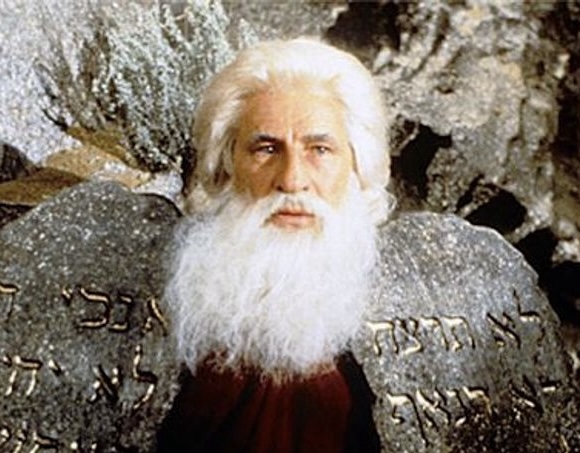
Mel Brooks as Moses. A truly good guy playing the biblical good guy.
 SRQ Jew
Once again you are 100% correct. I have no argument with the Torah but you asked
“do the clothe make the man.” 100% no.
I look at a very well dressed man sitting behind a desk in the White House. That man is a fool, scam artist, liar and a few other words I don’t want to write to a Rabbi. I know you don’t get into politics in your weekly dibur or do I say trosh???? Just wanted to get my two cents in.
LikeLike