
Tags
antisemitism, Christians and Jews, Good Friday, immigrant rights, Jesus, Judaism, Passover, rabbi
I began writing today about Good Friday and the concept of baseless hatred. But I don’t want to revisit the old, hateful myths that have historically fueled Christian persecution of Jews.
Today, in this country, the role of the “Other” has shifted—most visibly to immigrants, particularly those from Central America. But it doesn’t end there. Immigrants from around the world are being harassed, deported, or worse—imprisoned.
The acronym ICE sends a chill through anyone with roots elsewhere, including many whose citizenship and right to be here were, until recently, unquestionable.
What troubles me even more is that some of these injustices are being carried out under the guise of fighting antisemitism in America.
This, to me, is a deeply cynical manipulation of the term. I do not believe the current U.S. administration genuinely seeks to eliminate antisemitism on college campuses—or anywhere else. Rather, it seems intent on weaponizing the term to suppress ideologies it finds threatening.
And because these actions are being justified in the name of “protecting the Jews,” they risk reigniting the very flames of Jew hatred that we have sought to smother.
On the Christian calendar, Good Friday marks the death of Jesus. A rabbi recently suggested that perhaps we should say the Mourner’s Kaddish for him. Since the prayer is traditionally recited on the anniversary of a person’s death—and since Jesus died a Jew—the idea struck him as fitting.
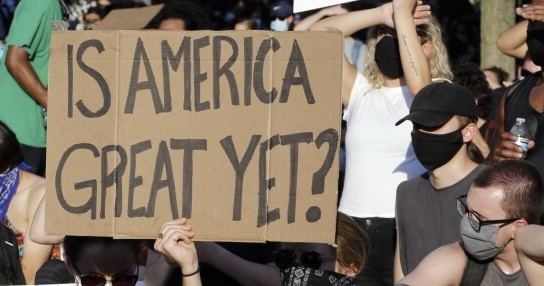
I understand his intent, but it does not resonate for me. Instead, I mourn the loss of freedoms in our country. I mourn the erosion of stability for people who should have nothing to fear. I mourn the rights stripped from law-abiding citizens.
And yet, even in mourning, I hold on to hope—the kind of hope that insists we can reclaim our better selves. That we can recognize the humanity in one another, resist the weaponization of our identities, and refuse to be divided by fear.
If we truly want to honor the dead we must live in a way that protects the living. That starts with standing up for the vulnerable, speaking out against cruelty, and refusing to let history’s darkest chapters repeat themselves.
 SRQ Jew
Do we have your permission to post this on the Suncoast Jewish Alliance Facebook page? Shabbat Shalom Wendy Wicks
LikeLike
Enjoy your trip!!! Love to Conrad.
LikeLike