
Tags
belief, faith, fear, God, grasshoppers, Joshua and Caleb, Judaism, miracles, Shelach L’Cha, Torah
I’m an educator, so I get lots of ads for teaching tools in my inbox. Today’s haul included a curriculum for 7th-grade Hebrew schools on character.
Lesson number 13 is called “Joshua and Caleb Consider the Big Picture.”
But reading this week’s Torah portion—in which things went drastically wrong and God decided that the wandering Jews needed to wander four decades in the desert—I think the Torah’s message is more demanding and more relevant.
At its core, this story is about the contrast between the very human fear of the unknown and trust in God, without proof of God’s presence.
Here’s what happened: Moses sent 12 chieftains, each a leader in his own right, on a mission to scout out the Promised Land.
They returned with a fairly balanced report. Yes, the land was terrific, with amazing, gigantic produce, but the people were scary. Ten of the twelve said they should not go to war with the people there. Two, Joshua and Caleb, disagreed.
Their argument was simple: We have God on our side. “Do not rebel against the Lord, nor fear the people of the land; for they are bread for us … and the Lord is with us; fear them not.” (Numbers 14:9)
Or, as the sage Ibn Ezra translated it, “We will eat them for lunch.”
That’s not the same as considering the big picture. Joshua and Caleb were not offering a better military assessment; they were making a statement about faith. Where the other scouts saw reasons to be afraid, Joshua and Caleb chose to trust in God.
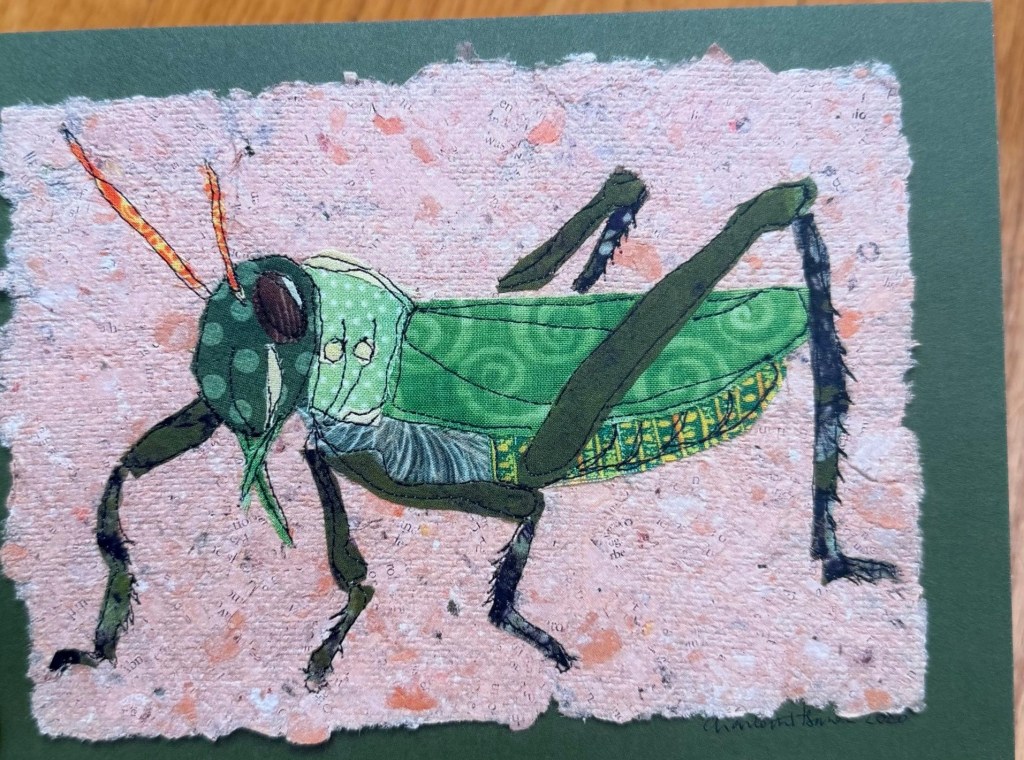
The problem worsened when the others doubled down on their fear, saying: “The land eats up its inhabitants; and all the people that we saw in it are men of a great stature … we were in our own sight as grasshoppers, and so were we in their sight” (Numbers 13:32–33).
For me, this is one of the most poignant and human moments in the entire Torah. We do this all the time. We imagine how others must see us, and invariably we are wrong. Aside from the most vainglorious among us, we routinely belittle ourselves.
The scouts were important people, chosen specifically for their leadership qualities. But faced with a new situation and the possibility of devastating consequences, they shrank back. Their fear made them doubt their own abilities.
They forgot who they were. And because this is the Torah, there was something else they forgot: God.
Caleb and Joshua took God into account. In fact, their entire argument relied on God’s help. The central divide in the story is not between strategic viewpoints. It is between fear that overwhelms and faith that overcomes fear.
The punishment God meted out was that the generation who had personally experienced the miracles of the plagues in Egypt, the parting of the sea, and the revelation at Sinai would die in the desert. Only those who had not experienced those miracles would enter the Promised Land.
We rabbis often teach that the people were punished because of their slave mentality, which had to be left behind for the community to flourish. But I think that’s wrong.
They were punished specifically because they had experienced miracles and still had no faith.
The Torah asks us to believe in God, to trust in God’s presence and grace, without having experienced those miracles ourselves.
Faith takes strength. Faith takes courage. Faith takes an inner resolve that outside forces cannot quench.
Faith in oneself means having the ability to look beyond self-doubt and tackle seemingly impossible challenges.
The Torah’s enduring lesson is that fear narrows our vision. Trust in God allows us to move forward, with or without miracles.
Faith in God—in the Divine within us and the Divine present in every breath we take—is what enables us to silence the little voice whispering that we are grasshoppers, and remember who we truly are.


When you say to go forward with trust in God, are you presupposing that God will intercede on our behalf to help us succeed? That would truly be a miracle
LikeLike
I
No, I don’t believe in a God who intercedes, or does anything at all. But I do believe in trusting the God-ness within. If that makes sense.
LikeLike
So when we trust in ourselves, we are giving God the credit for our accomplishments. Does our Godness just kick in when needed?
LikeLike
Maybe. Or when we choose to tap into it. Or when we need it so badly that it bubbles up on its own. And what’s wrong with giving God credit for our own achievements? We talk about our God-given gifts and abilities.
LikeLike
Do we ever talk about The gifts and talents that God didn’t give us? If God gets the credit, then God gets the blame
LikeLike
Funny thing about that — we’re quick to thank God, but generally avoid blaming. Complaining? Absolutely. We’re famous for that. Just check your Bible.
LikeLike