Tags
Gaza, Hamas attack, Israel, Jew-hatred, Jewish calendar, memorial candle, Oct. 7, Simcha Daniel Burstyn, Simchat Torah, Torah, yartzeit
When is the right day to commemorate a tragedy?
The question becomes complicated — even more so than the complications provided by our own hearts — when you take into account the Hebrew calendar.
For many Jews, the date was this past Sunday, the 23rd of the month of Tishrei. If you are a secular Israeli or an American Jew like me, it is the date on the Gregorian calendar: October 7. It twists our guts and causes a pain we can barely tolerate.
The pain echoes in the bones of even people like me, who have no close family or particularly close friends in Israel. The horrors of that day reverberate. And I mean now the political aftermath, not the dreadful, ongoing pain of worrying about the hostages that nagged at us for the next two years.
No, the aftermath that hurts so deeply is the one in which Jews became accused of genocide, of being the aggressors.
But how can that be? A country is brutally attacked. More than a thousand people die in a day. Hundreds more are kidnapped. People are murdered in their homes, in front of their children, along with their children. The bodies of young women and young men are desecrated in ways that are unimaginable.
And all of that gets brushed aside.
I will never understand. I don’t think anyone can. It does not seem to matter how many atrocities are carried out against different peoples around the world. The ones that are carried out against Jews?
Don’t. Seem. To. Matter.
Unlike 9/11, when an entire nation goes into a state of semi-mourning, today will pass largely unacknowledged.
On the Jewish calendar, the date has already passed. The irony of the day Hamas chose for the attack is not lost on us Jews. It was a holiday, an especially joyous day called Simchat Torah.
Its name literally means “Joy of Torah.” It is a day for dancing, for celebrating, for finishing the reading of the Five Books of Moses and immediately beginning again. It marks the cycle of the Jewish year.
But three years ago, the cycle was broken.
And where do we go from here?
I have moments when I feel that it is impossible to go forward in any meaningful way, because so much damage has been done. So much hate has been spewed.
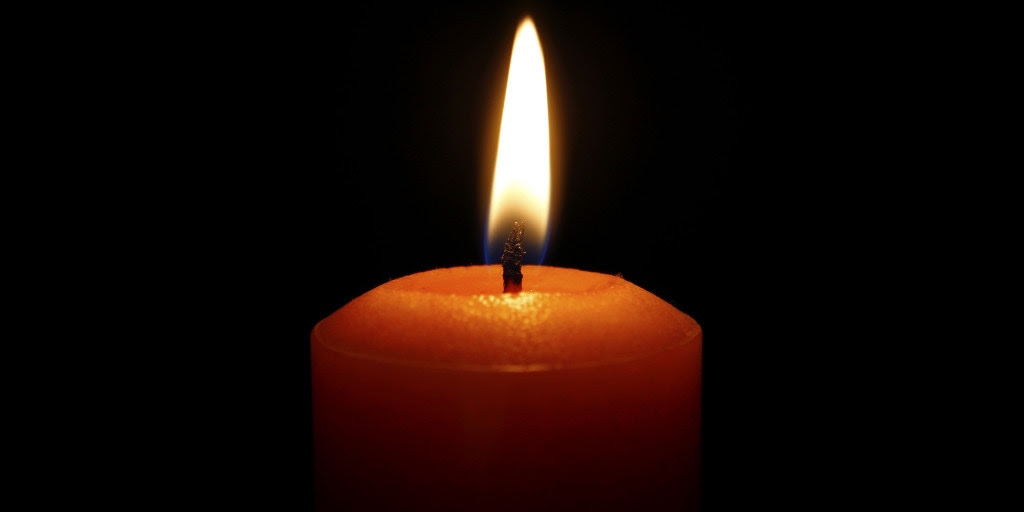
On the anniversary of the death of a loved one, it is traditional for Jews to light a memorial candle. Some people find themselves uncertain as to when, exactly, they should light a candle in honor of the October 7 dead.
Israeli Reform Rabbi Daniel Burstyn gave what I believe is the very best answer:
“Light a candle whenever you want, but the best way to memorialize the fallen is to fight for liberal democracy, equality and peace.”
We Jews are told by our sacred text to “be a light unto nations.” But how can we be a light unto the nations when so many among the nations hate us?
I will admit that, for myself, it is becoming increasingly difficult. I am feeling my age. I worry that I have not done enough. That I do not do enough.
But I have lit my candle.
And I will continue to do my very small part to be a light in this world.